

Industry Insights
Guide • 4 min read • Aug 5, 2026
Hospitality Trends Shaping Careers and Hiring
The broader changes affecting hospitality careers and employer hiring practices, from candidate expectations to recruitment technology.
Read story
Industry Insights
From Dubai’s tourism recovery and new wave of openings to Abu Dhabi’s Disney ambitions and Ras Al Khaimah’s transformational Wynn resort, the Emirates are writing an ambitious new chapter. At the heart of it all are the people who will bring these destinations to life.
Written by Shiftly Editorial Team
10 min read
Dubai's recovery
August 2026 was the strongest month since February, with hotel occupancy reaching 66%.
A new wave of openings
New hotels, restaurants, cafés and beach clubs continue to broaden Dubai's hospitality landscape.
Abu Dhabi's long game
Miral plans to invest more than AED 12 billion across Yas Island over five years.
Ras Al Khaimah's transformation
Large-scale resort and destination developments are expanding the emirate's hospitality ambitions.
There is something revealing about the final hour before service begins.
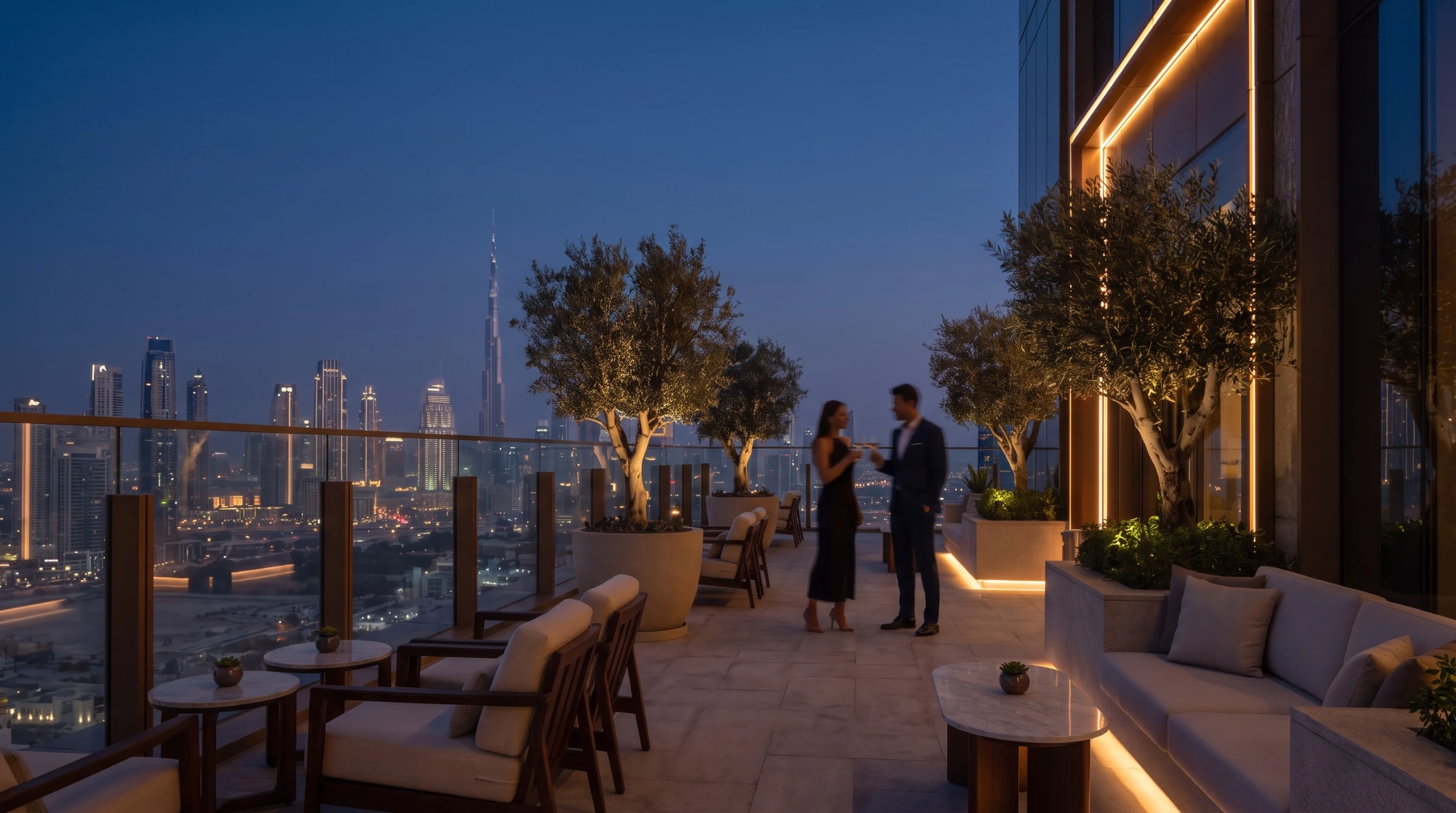
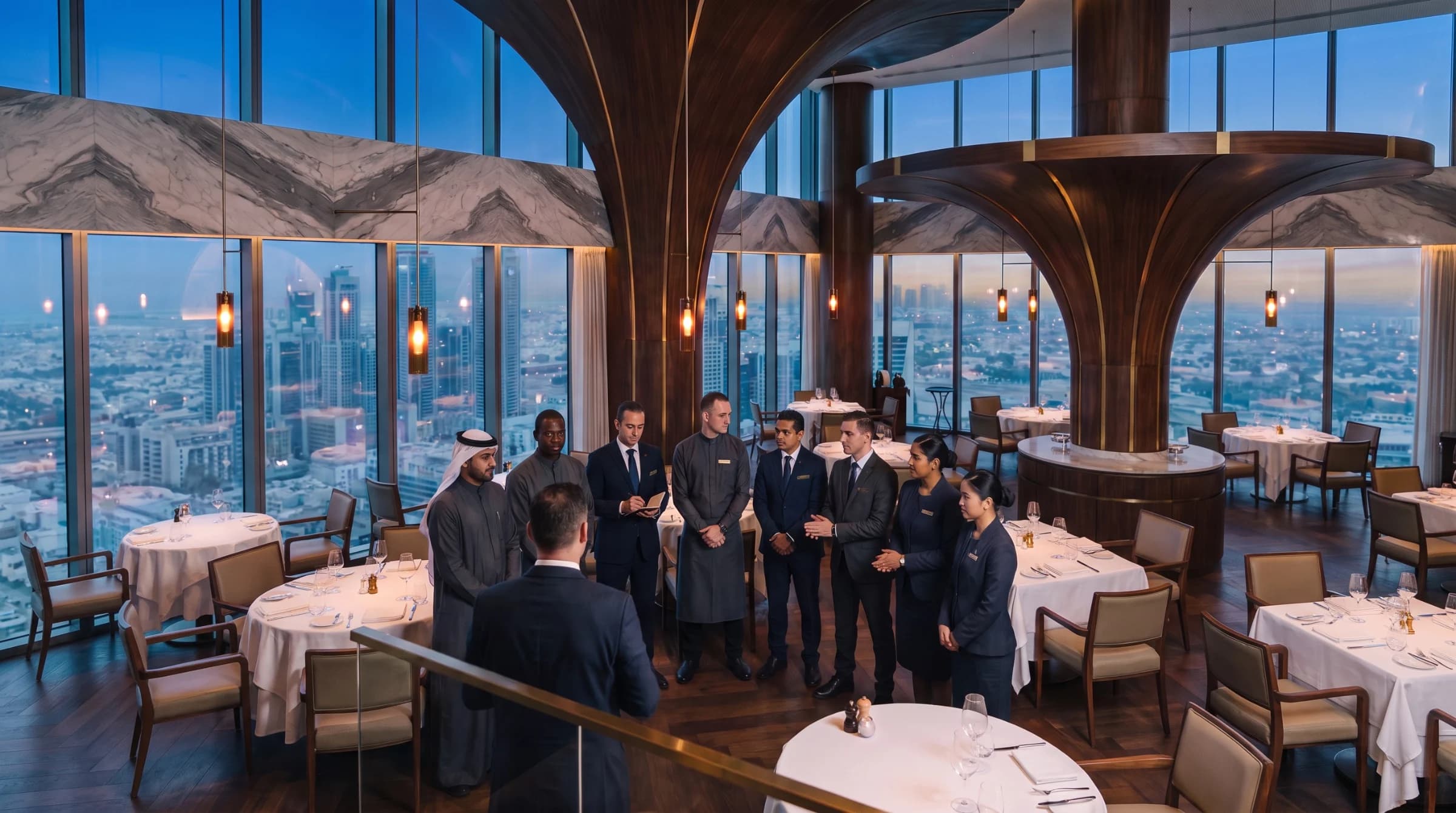
In a restaurant overlooking Dubai, the tables are ready, the lighting has softened and the team gathers for its final briefing. Elsewhere, a concierge prepares to welcome arriving guests, a bartender makes the last adjustments behind the counter, and a chef inspects the evening's first plates.
Across the Emirates, thousands of similar moments unfold every day.
They are small moments within an industry of extraordinary scale.
After a challenging period for regional tourism, Dubai is showing measurable signs of recovery. Its restaurant and hospitality landscape continues to welcome new concepts. Abu Dhabi is accelerating its destination ambitions, while Ras Al Khaimah is preparing for developments that could reshape its position in international tourism.
Together, these movements reveal something larger than a collection of hotels, restaurants and attractions.
The UAE is not simply investing in places to visit. It is investing in reasons for the world to come — and return.
Dubai entered 2026 following another record year for international tourism.
According to the Dubai Department of Economy and Tourism, the city welcomed 19.59 million international overnight visitors in 2025, a 5% increase year on year.
19.59 million
International overnight visitors to Dubai in 2025
A 5% increase year on year.
Source: Dubai Department of Economy and Tourism
By December, its hospitality infrastructure included 154,264 hotel rooms across 827 establishments.
Regional geopolitical developments subsequently disrupted travel demand, creating a challenging operating environment for tourism and hospitality businesses.
Yet the recovery indicators released in September offer an important perspective.
Dubai welcomed approximately 869,000 international overnight visitors in August 2026, its strongest monthly figure since February. Hotel occupancy reached 66%, compared with 36% in March.
That August occupancy represented 89% of the level recorded during the same month in 2025.
The figures do not mean the recovery is complete. International visitation reached 6.97 million during the first eight months of 2026, and uncertainty remains part of the operating landscape.
But they demonstrate a destination regaining momentum.
Dubai's established hospitality infrastructure, international connectivity and diversified visitor markets provide a foundation for rebuilding demand.
For operators, the next challenge is translating that momentum into sustainable performance.
For hospitality professionals, it means working within an industry where adaptability, service standards and operational excellence remain essential.
Recovery, however, is only one part of Dubai's hospitality story.
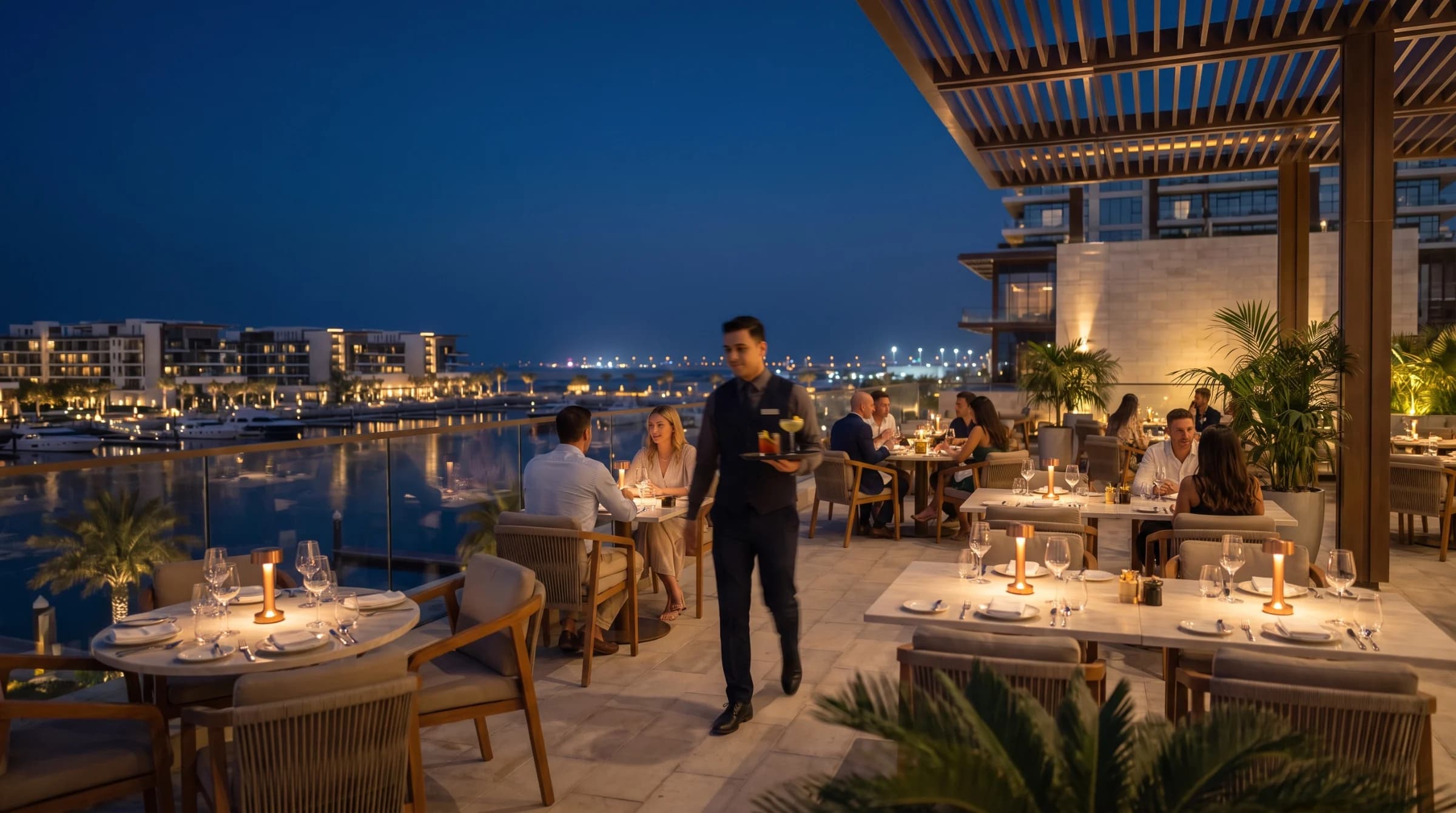
Across the city, new hotels, restaurants, cafés and beach clubs continue to redefine the experiences available to residents and international visitors.
At Jumeirah Marsa Al Arab, the forthcoming opening of 1206 on October 30 adds another distinctive address to Dubai's fine-dining landscape.
Led by Head Chef Stephanie Haywood, the restaurant places culinary craftsmanship, ingredient provenance and a contemporary interpretation of European cooking at the centre of its offering.
Elsewhere, established restaurant brands are exploring new formats.
Le Café LPM, the brand's new all-day dining concept in Jumeirah, introduces a more relaxed expression of La Petite Maison, from morning coffee and pâtisserie to evening drinks.
Another forthcoming LPM concept, LPM-Sur-Mer at Jumeirah Beach Hotel, is expected in November, extending the brand's French Mediterranean identity into a beachfront experience.
Along the coastline, projects including ISBA by Bagatelle, Cipriani Lido and Zuma Beach House signal continued interest in the intersection of dining, leisure, music and beach culture.
Zuma's official plans place its new Jumeirah 1 beachside concept in 2027.
These developments are at different stages, and their opening schedules remain subject to change.
But together, they reveal a significant movement.
Dubai's hospitality market is diversifying beyond traditional categories.
A restaurant is no longer necessarily defined by dinner service. A beach club can become a full-day hospitality destination. An established dining brand can reach new audiences through cafés, lounges and lifestyle-led concepts.
Dubai is not relying solely on the reputation it has already built. It is continuing to reinvent the experiences behind it.
For the workforce, that diversification creates the potential for new professional pathways across culinary operations, beverage, guest relations, events and hospitality management.
For employers, it also raises expectations around creativity, service consistency and the ability to build teams capable of delivering a distinctive experience.
Further along the coast, Abu Dhabi is building its own vision of international destination hospitality.
In September 2026, Miral announced plans to invest more than AED 12 billion across Yas Island over the following five years.
AED 12 billion
Planned investment across Yas Island
Over the following five years.
Source: Miral
The programme includes new developments, expanded attractions, additional experiences and growth in the island's hotel accommodation offering.
The announcement reflects a broader strategy.
A successful destination is not simply a place where visitors encounter an attraction. It is an ecosystem that brings together accommodation, dining, entertainment, transport and service.
Abu Dhabi's ambitions became even more internationally visible in May 2025, when The Walt Disney Company and Miral announced plans for a Disney theme park resort on Yas Island.
The future development is intended to become Disney's seventh theme park resort destination worldwide and its first in the Middle East.
The resort has not yet opened, and its commercial impact remains prospective.
Nevertheless, its significance extends beyond the theme park itself.
An internationally recognised entertainment destination can influence how families plan their holidays, how visitors allocate their time and how surrounding hospitality businesses prepare for future demand.
Hotels may develop new guest experiences. Restaurants may adapt to changing visitor profiles. Guest relations, transport and leisure operators may need to coordinate increasingly complex journeys.
These are opportunities to prepare for, not guaranteed outcomes.
The fundamental idea is clear.
An attraction may give someone a reason to travel. Hospitality helps determine how they remember the journey.
Further north, another transformation is taking shape.
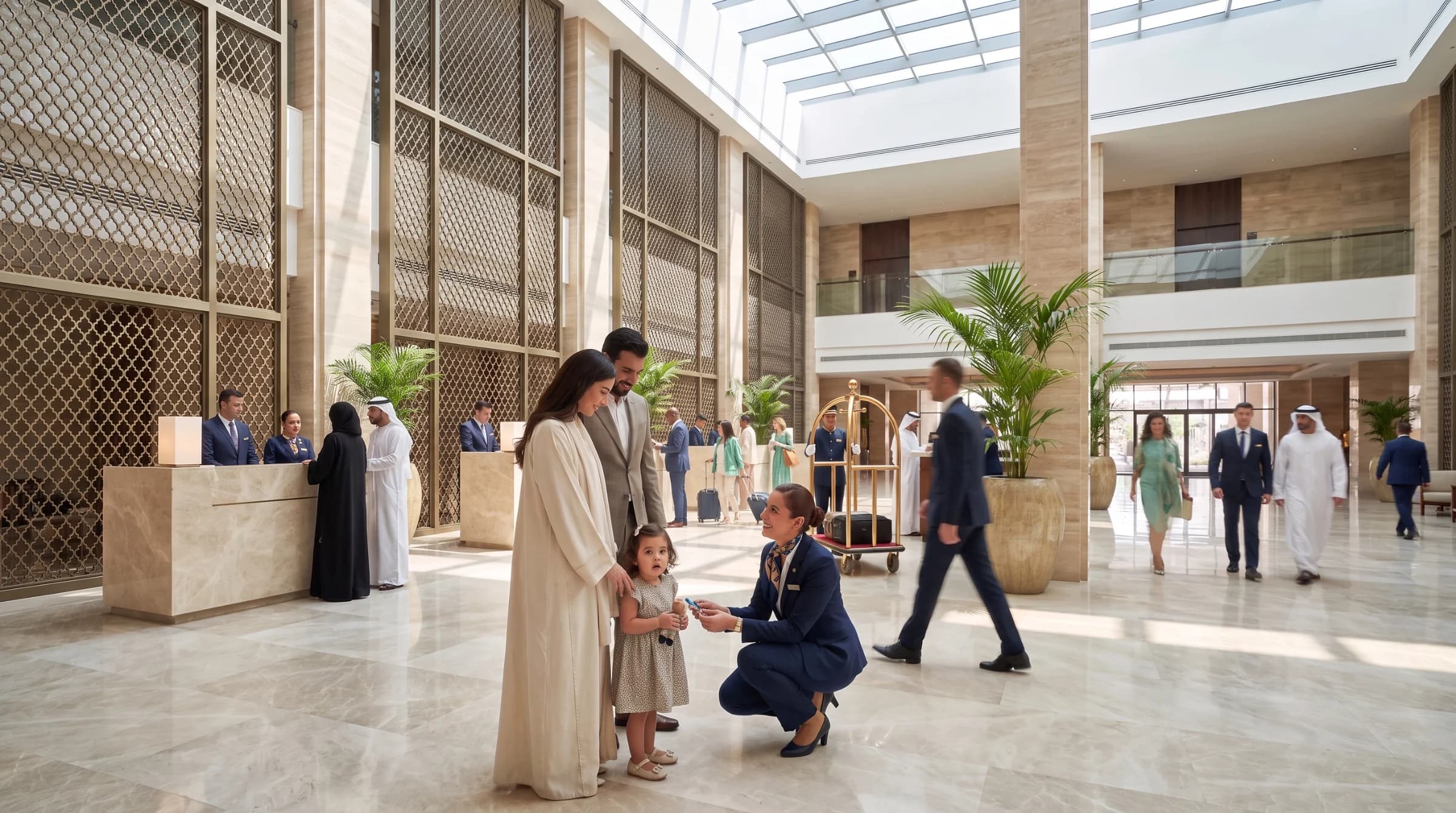
Wynn Al Marjan Island, scheduled to open in 2027, represents an investment of approximately US$5.7 billion, according to master developer Marjan.
The resort is planned to include more than 1,500 rooms and suites, 22 restaurants, bars and lounges, luxury retail, entertainment venues, event facilities and extensive beachfront experiences.
Its significance reaches beyond the resort itself.
Large-scale developments can stimulate investment in surrounding infrastructure, accommodation, food and beverage, leisure and supporting services.
Ras Al Khaimah's wider development plans reflect that ambition.
Marjan Beach, an 85-million-square-foot masterplanned coastal destination, is envisaged to accommodate 12,000 hotel keys alongside residential, commercial and lifestyle developments.
Meanwhile, the emirate's tourism authority has reported continued investment in new hospitality offerings, from coastal resorts to mountain-based experiences.
These projects are at different stages of development. Their ultimate economic and employment impact will depend on delivery, demand and operating performance.
But the scale of the commitment is difficult to ignore.
Marjan estimates that Wynn Al Marjan Island will support more than 7,000 direct jobs, highlighting the potential workforce requirements of a project of this magnitude.
For the hospitality industry, that creates a challenge extending well beyond recruitment.
Delivering an internationally competitive destination requires experienced operational leaders, culinary talent, guest relations professionals, service teams and the organisational infrastructure necessary to develop them.
Ras Al Khaimah is not simply adding another luxury resort to the UAE. It is working towards a broader position on the international hospitality map.
And as the destination develops, the people behind its operations will play a central role in determining what that ambition becomes.
Across Dubai, Abu Dhabi and Ras Al Khaimah, the scale and diversity of hospitality investment are remarkable.
But buildings alone do not create an industry.
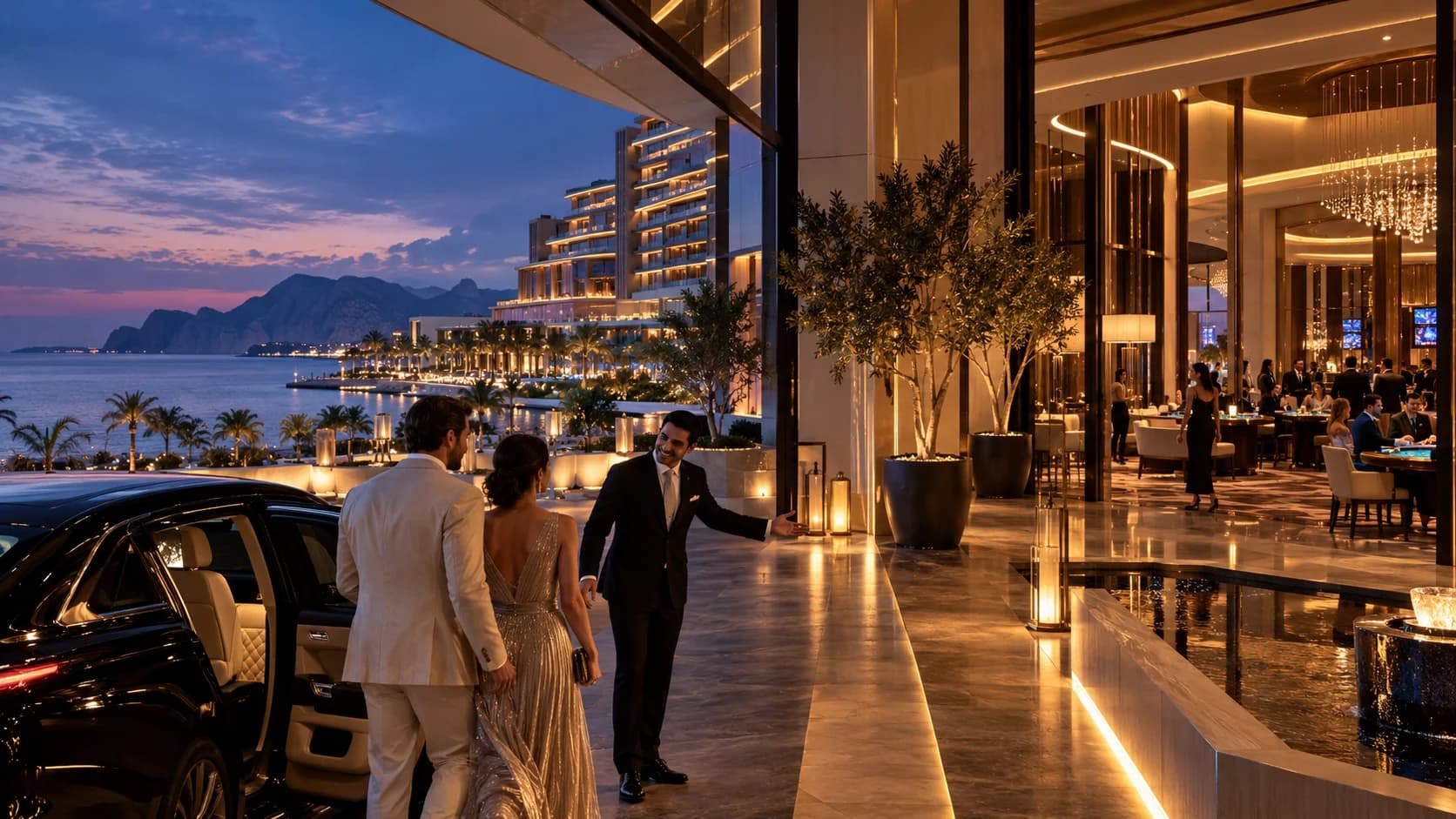
A destination requires front-office professionals who understand the art of welcoming guests.
It needs chefs capable of defining a culinary identity, bartenders who master their craft, restaurant managers who lead teams and guest relations professionals who turn individual interactions into lasting memories.
Behind them stand specialists in housekeeping, engineering, finance, human resources, commercial operations and countless other disciplines.
These are the people who transform infrastructure into experiences.
As new developments move towards operation, employers will need to think beyond simply filling vacancies.
Training, leadership, workplace culture and career progression will influence how successfully organisations attract and retain the professionals they need.
That matters for established operators as much as new entrants.
An internationally recognised brand may attract attention, but the daily working environment helps determine whether capable professionals choose to build their careers within it.
For employees, the opportunities ahead are not solely about joining the newest property or most recognisable name.
They are about choosing environments where skills can develop, responsibility can grow and professional ambitions can take shape.
The hospitality industry is often celebrated through its most visible achievements.
Extraordinary architecture. International brands. Celebrated chefs. Spectacular destinations.
Yet some of its defining moments happen away from public view.
A restaurant manager gathers an international team before service.
A senior colleague passes on the detail that distinguishes good service from exceptional service.
A guest relations professional welcomes a family after a long journey.
A young chef masters a technique that may shape the next decade of their career.
These moments rarely appear in development announcements.
But they are where ambition becomes hospitality.
The UAE's next chapter will require not only new infrastructure, but people capable of sustaining the standards that make its destinations competitive.
For operators, that means investing in the teams behind the experience.
For professionals, it means recognising the opportunity to help shape an industry still defining its future.
Dubai's recovery, Abu Dhabi's destination investments and Ras Al Khaimah's emerging resort landscape represent different dimensions of the same national ambition.
One destination is rebuilding momentum while continuing to reinvent itself.
Another is expanding its international leisure proposition.
A third is preparing developments that could significantly broaden its hospitality economy.
Each faces different commercial realities, timelines and challenges.
But they share one fundamental ingredient.
People.
The buildings may become more ambitious. The destinations may become more immersive. International visitor expectations will continue to evolve.
Yet the true measure of the UAE's next hospitality chapter will be the experiences its professionals are able to create.
The future of hospitality will not be defined by what the UAE builds alone, but by the people who bring it to life.
Related stories
Industry Insights
Guide • 4 min read • Aug 5, 2026
The broader changes affecting hospitality careers and employer hiring practices, from candidate expectations to recruitment technology.
Read story
Industry Insights
Guide • 5 min read • Aug 5, 2026
How technology is changing hospitality operations and hiring, while human judgment and genuine guest connection remain central.
Read story

Leadership & Culture
Feature • 10 min read • Oct 13, 2026
Before the world's most celebrated chefs, hoteliers and founders became names worth knowing, they had something in common: a beginning. Inside the opportunities, ambitions and experiences shaping hospitality's next generation.
Read story
The industry is moving forward. Your career can too. Discover hospitality opportunities in Dubai, Abu Dhabi, Ras Al Khaimah and beyond.